Home Blog Page 26

Breaking Language Barriers: Google Meet Now Offers AI-Powered Live Translations

Breaking Language Barriers: Google I/O 2025

At Google I/O 2025, the tech giant unveiled a wave of AI-powered enhancements across its product suite, including Gmail, Google Docs, Google Vids, and Google Workspace. Among the most groundbreaking updates is the addition of real-time AI speech translation in Google Meet, a feature set to transform how users communicate in multilingual video calls.

Subscribe to IBN24 NEWS NETWORK’s Facebook channel today for real-time updates!

Channel Link:
 https://www.facebook.com/ibn24newsnetwork


AI-Powered Speech Translation in Google Meet

Google is taking video conferencing to the next level by integrating generative AI translation technology into Google Meet. With this upgrade, participants in a meeting can speak in their native languages and still understand each other in real time—without relying on human interpreters or delayed captions.

According to Google, the new translation feature maintains the original speaker’s voice, tone, and emotional nuance, offering a more human and immersive communication experience than anything we’ve seen before.


How It Works: Translation with Voice Preservation

During the I/O 2025 keynote, Google CEO Sundar Pichai gave a live demonstration of the feature. An English speaker and a Spanish speaker held a conversation on Google Meet, with real-time AI-generated speech translating their words seamlessly while preserving each speaker’s voice inflections and emotional cues.

The system doesn’t replace the original audio completely. Instead, it superimposes the translated voice over the original, allowing users to faintly hear the speaker’s actual voice underneath. This hybrid approach delivers a more natural and trustworthy interaction compared to synthetic or fully dubbed translations.


Minimal Delay, Maximum Impact

One of the biggest technical feats, according to Google, is the minimal latency. Previous translation tools often introduced delays that made dynamic conversations difficult. But with this new AI model, multiple participants can converse fluidly, making this a major breakthrough in real-time multilingual communication.

This innovation not only caters to global teams and international businesses but could also play a pivotal role in cross-border education, diplomacy, and customer support.


Language Support and Availability

As of now, real-time speech translation on Google Meet is available in English and Spanish, and is being rolled out in beta for select users. Google has confirmed that Italian, German, and Portuguese will be added to the supported languages in the coming weeks.

This feature is currently available to Google AI Pro and Ultra tier subscribers and will be extended to Workspace business users later this year for early testing.

More Gemini Features Arrive Across Workspace

Beyond Google Meet, Gemini AI is also making significant strides across other Google Workspace apps, especially Gmail:

Smart Email Replies

Gmail users can now benefit from personalized AI-generated replies. Gemini uses context-aware suggestions to help users draft full responses that match the tone and intent of their messages—saving time and improving communication quality.

Fast Appointment Scheduling

Gmail now supports Fast Appointment Scheduling directly within the email interface. Users can seamlessly book meetings and send calendar invites without leaving their inbox, streamlining collaboration and productivity.


Competing With Microsoft Teams and Zoom

Google’s real-time translation technology puts it ahead of competitors like Microsoft Teams, which also announced a similar feature earlier this year but hasn’t fully rolled it out. With minimal delay and voice-preserving translation, Google Meet is positioning itself as the go-to platform for global, AI-powered video conferencing.


When Will You Get It?

If you’re a Google Workspace business user or a Gemini AI Pro/Ultra subscriber, you can start trying out these features now or in the near future. Broader availability is expected later this year as Google collects feedback from beta testers and improves translation accuracy across languages.


Final Thoughts

With the launch of real-time AI speech translation, Google is pushing the boundaries of what’s possible with virtual communication. From removing language barriers to improving global collaboration, this feature could redefine remote work, education, and customer engagement. Combined with Gemini’s powerful new tools in Gmail and other Workspace apps, Google is clearly going all-in on AI-first productivity.

For instant news updates, subscribe to the IBN24 NEWS NETWORK YouTube channel

Channel linkhttps://youtube.com/@IBN24NewsNetwork?si=ofbILODmUt20-zC3

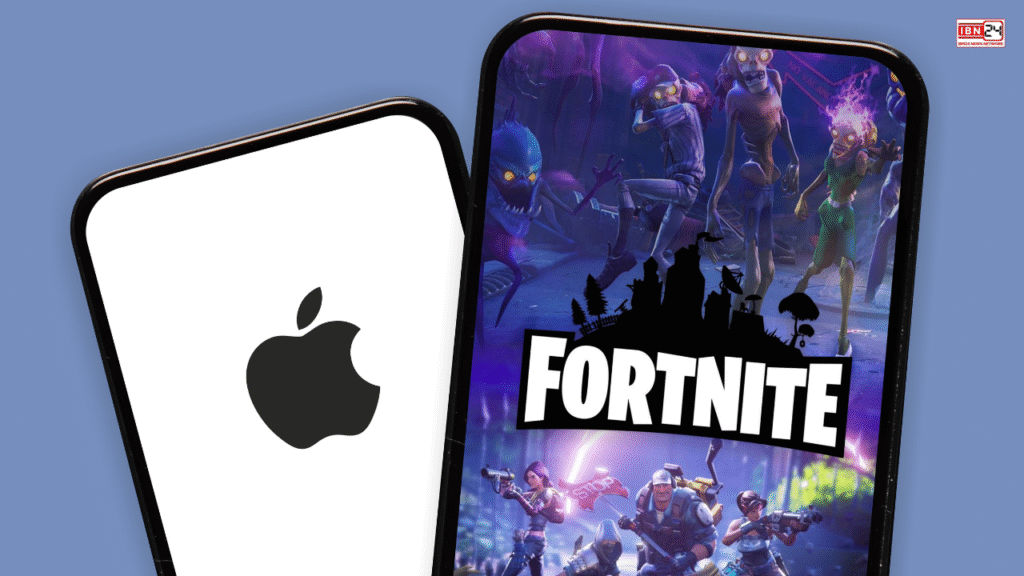
Read Also This article : Fortnite Returns to Apple App Store: In The US After 5 Years Amid Epic vs Apple Legal Resolution

Sergey Brin on Google Glass: From a Flawed Launch to a Promising Comeback

Sergey Brin on Google Glass: Android XR

More than a decade after the original Google Glass made headlines, Google is ready for a fresh attempt at smart glasses. Powered by GenAI and the upcoming Android XR platform, the next-generation Google Glass — informally referred to as c— is set to debut in 2025. The move is being seen as a strategic revival, with Google co-founder Sergey Brin once again playing a central role in its vision.

Subscribe to IBN24 NEWS NETWORK’s Facebook channel today for real-time updates!

Channel Link:
 https://www.facebook.com/ibn24newsnetwork

The First Google Glass: A Bold Idea That Fell Short

Launched in 2013, the original Google Glass promised a futuristic experience where users could interact with the digital world using a head-mounted display. Sergey Brin, then at the forefront of Google’s experimental division, introduced it as the next step in wearable tech.

Despite the hype and innovation, the product struggled in the mainstream. A high price tag, privacy concerns (especially over the built-in front-facing camera), and limited real-world use cases meant that the device never moved beyond internal testing and select developer adoption.


Bringing Back the Glass – With a Smarter Twist

At Google I/O 2025, Brin made a surprise appearance during a fireside chat, where he reflected on the past mistakes of the original Glass project and shared why the new version could succeed.

Brin admitted he had underestimated key aspects like:

  • Hardware production and supply chain management
  • Consumer pricing strategies
  • User experience expectations
  • Social and privacy perceptions around wearable tech

However, what’s changed in 2025 is the rise of generative AI (GenAI) and Google’s powerful Gemini AI model, which is expected to play a big role in the new Glass product.

GenAI and Android XR: The Heart of Glass 2.0

The new Google Glass will be powered by Android XR, Google’s extended reality platform, designed to run immersive and interactive experiences. Coupled with Gemini, the company’s advanced AI assistant, the glasses aim to be far more intuitive and responsive than their predecessor.

Here’s what we can expect from Glass 2.0:

  • Real-time translation and transcription
  • Voice-guided navigation and context-aware prompts
  • AI summarization and quick information delivery
  • A camera-free design for improved privacy and social comfort
  • Streamlined aesthetics to look more like normal glasses than a tech device

Brin emphasized that the new version will avoid the “creepy camera” that drew public criticism in the original. This change alone could make the product more socially acceptable and market-friendly.

Lessons Learned and a New Approach

Brin’s insights showed a clear shift in how Google is approaching hardware this time. With a more mature AI ecosystem, a better understanding of consumer behavior, and stronger developer support, Glass 2.0 seems to be built with practicality in mind — similar to the recent success of Meta’s Ray-Ban Smart Glasses.

He also noted that AI was the missing link in the original concept. Without powerful on-device intelligence, the old Glass was more of a display extension than a true assistant. With Gemini, Google now has the infrastructure to support an AI-first wearable experience that feels natural and useful.


Competition in the Smart Glasses Market Heats Up

Google’s re-entry into the smart glasses segment comes at a time when AI-powered wearables are gaining traction. Meta, Apple (with Vision Pro), and even startups like Xreal and Rokid are exploring similar territories, merging AR capabilities with smart assistant features.

By integrating Android XR and making Gemini the core experience, Google is positioning Glass 2.0 not just as an accessory, but as a standalone intelligent device — a personal AI agent you wear.


When Can We Expect It?

While an exact release date hasn’t been confirmed, Google Glass 2.0 is expected to launch sometime in 2025, likely around the next Google I/O or shortly after. Prototypes are reportedly being tested internally, and select developers may soon get early access for app development.


Final Thoughts

With Sergey Brin’s return to the project, and Google learning from the missteps of the past, the revival of Google Glass could mark a turning point for . Combining cutting-edge AI, a privacy-conscious design, and a lightweight XR operating system, the to be more useful, less intrusive, and far more refined.

While the success of Glass 2.0 is still uncertain, one thing is clear — this time, Google is better prepared and more aligned with the tech trends of today.

For instant news updates, subscribe to the IBN24 NEWS NETWORK YouTube channel

Channel linkhttps://youtube.com/@IBN24NewsNetwork?si=ofbILODmUt20-zC3

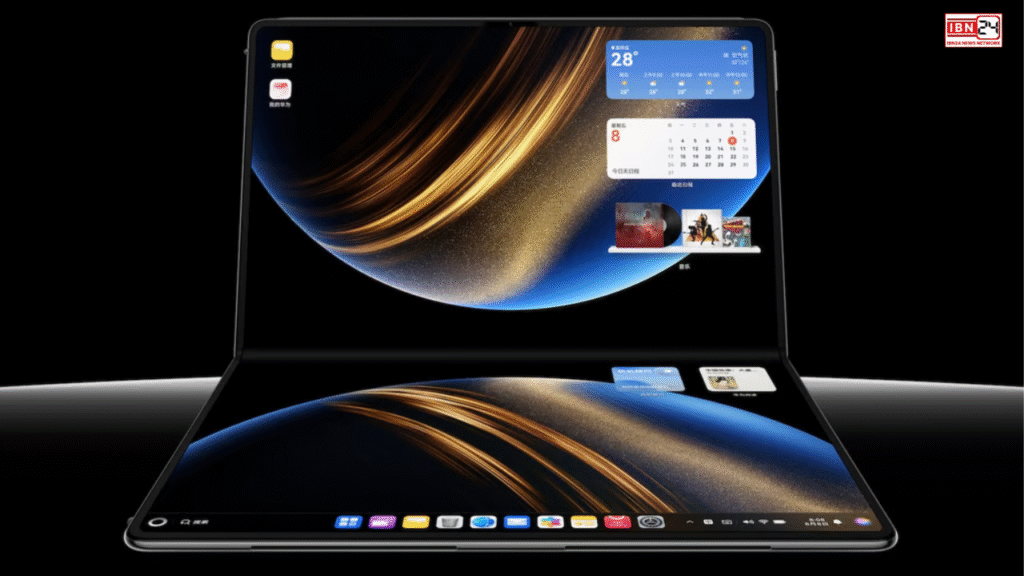
Read Also This article : Huawei Launches Its First Foldable Laptop: Price, Specs and Features

Vacancies for jail wardens: जल्द ही भरे जाएंगे जेल वार्डरों के पद मुख्यमंत्री ने करनाल में जेल प्रशिक्षण अकादमी का किया उद्घाटन

Vacancies for jail wardens: मुख्यमंत्री ने करनाल में जेल प्रशिक्षण अकादमी का किया उद्घाटन करनाल जेल प्रशिक्षण अकादमी में जल्द ही होगी आवश्यक स्टाफ की नियुक्ति 300 करोड़ रुपये की लागत से पंचकूला, दादरी और फतेहाबाद में बनेंगी नई जेलें करनाल, 21 मई।   

Vacancies for jail wardens: जल्द ही भरे जाएंगे जेल वार्डरों के पद

हरियाणा के मुख्यमंत्री श्री नायब सिंह सैनी ने आज जेल विभाग में बड़े पैमाने पर भर्ती अभियान की घोषणा करते हुए कहा कि राज्य की न्यायिक और सुधारात्मक प्रणाली को और मजबूत करने के लिए जेल वार्डरों के लगभग 1300 पद जल्द ही भरे जाएंगे। साथ ही, जेल विभाग में मेडिकल और पैरामेडिकल रिक्तियों के साथ-साथ करनाल में नवनिर्मित जेल प्रशिक्षण अकादमी के लिए आवश्यक स्टाफ के पदों को भी जल्द ही भरा जाएगा।

Subscribe to IBN24 NEWS NETWORK’s Facebook channel today for real-time updates!

Channel Link:
 https://www.facebook.com/ibn24newsnetwork

मुख्यमंत्री ने करनाल में जेल प्रशिक्षण अकादमी का उद्घाटन करने के बाद ये घोषणाएं कीं, जिसका उद्देश्य जेल कर्मियों को सुधार, पुनर्वास और आधुनिकीकरण पर ध्यान केंद्रित करते हुए व्यापक प्रशिक्षण प्रदान करना है। 6.5 एकड़ में फैली और 30.29 करोड़ रुपये की लागत से निर्मित इस अकादमी में ऊर्जा कुशल और तापमान अनुकूल तकनीक का इस्तेमाल किया गया है।

Vacancies for jail wardens

उन्होंने यह भी घोषणा की कि लगभग 300 करोड़ रुपये के निवेश से पंचकूला, दादरी और फतेहाबाद में नई जेलों का निर्माण किया जाएगा। इसके अलावा, करनाल में जिला जेल परिसर में एक गौशाला भी शुरू की जाएगी।

इस अवसर पर उपस्थित लोगों को संबोधित करते हुए मुख्यमंत्री ने कहा कि नई जेल प्रशिक्षण अकादमी सुधार प्रणाली में परिवर्तनकारी दृष्टिकोण की शुरुआत है। उन्होंने कहा कि यह केवल एक इमारत का उद्घाटन नहीं है, यह एक नए दृष्टिकोण के परिवर्तन और एक अन्य विज़न की शुरुआत है। हमारी जेलें केवल सजा नहीं, बल्कि बदलाव, पुनरुद्धार और पुनर्निर्माण का केंद्र बननी चाहिए।

उन्होंने कहा कि नवनिर्मित अकादमी में नए भर्ती किए गए लोगों के लिए प्रारंभिक प्रशिक्षण और मौजूदा कर्मचारियों के लिए पुनश्चर्या पाठ्यक्रम प्रदान किए जाएंगे, जिससे यह सुनिश्चित होगा कि जेल विभाग के अधिकारियों और कर्मचारियों को आधुनिक तकनीकों, मानवाधिकारों और कैदी सुधार के मनोवैज्ञानिक पहलुओं में प्रशिक्षित किया जाए। उन्होंने कहा कि बदलते समय के साथ, हमारे जेल कर्मचारियों को न केवल अनुशासन के साधनों से सुसज्जित करना आवश्यक है, बल्कि सहानुभूति, न्याय और सामाजिक पुनर्वास की भावना से भी लैस करना आवश्यक है।

Vacancies for jail wardens: प्रधानमंत्री के नेतृत्व में भारत बदल रहा

मुख्यमंत्री ने कहा कि प्रधानमंत्री श्री नरेन्द्र मोदी के दूरदर्शी नेतृत्व में भारत गहन परिवर्तन के दौर से गुजर रहा है। उन्होंने कहा कि राष्ट्र एक विकसित और तकनीकी रूप से सशक्त भारत बनने की दिशा में तेजी से आगे बढ़ रहा है। इसका एक ताजा उदाहरण ऑपरेशन सिंदूर के दौरान देखने को मिला, जहां दुनिया ने भारत की तकनीकी विशेषज्ञता, परिचालन दक्षता और रणनीतिक कौशल को मान्यता दी।

Vacancies for jail wardens

उन्होंने कहा कि शासन और लोक प्रशासन में पारदर्शिता और जवाबदेही बढ़ाने में प्रौद्योगिकी महत्वपूर्ण भूमिका निभा रही है। डिजिटल इंडिया के लक्ष्यों के अनुरूप, हरियाणा भी स्मार्ट जेल स्थापित करने की दिशा में आगे बढ़ रहा है, जहां आधुनिक उपकरण और प्रणालियां जेल प्रबंधन में सुधार लाएगी। उन्होंने विश्वास व्यक्त किया कि जैसे-जैसे भारत अमृतकाल की ओर बढ़ रहा है, यह अकादमी न्याय और सुधार प्रणाली में सुधार और नवाचार का एक स्तंभ बनकर उभरेगी।

इससे पहले, मुख्यमंत्री ने जेल के कैदियों द्वारा बनाए गए विभिन्न उत्पादों को प्रदर्शित करने वाली एक प्रदर्शनी का भी अवलोकन किया और नई  जेल अकादमी का भी दौरा किया।  

Vacancies for jail wardens: जेल सुधारों को प्राथमिकता दी गई

इस अवसर पर बोलते हुए, सहकारिता एवं जेल मंत्री डॉ. अरविंद शर्मा ने मुख्यमंत्री श्री नायब सिंह सैनी के नेतृत्व में जेल विभाग द्वारा की जा रही प्रगतिशील पहलों की प्रशंसा की। उन्होंने कहा कि हरियाणा की जेलों का आधुनिकीकरण किया जा रहा है और समग्र प्रबंधन में सुधार तथा बेहतर पुनर्वास परिणाम सुनिश्चित करने के लिए नवीनतम तकनीक से सुसज्जित किया जा रहा है।

जेलों के महत्व पर प्रकाश डालते हुए, डॉ. शर्मा ने कहा कि आज, जेल केवल कारावास के केंद्र नहीं हैं, वे परिवर्तन के स्थान हैं जहां कैदी सुधरे हुए और बेहतर व्यक्ति बनकर निकलते हैं। उन्होंने कहा कि कैदी जेल प्रणाली के भीतर शुरू किए गए विभिन्न कौशल-आधारित कार्यक्रमों के माध्यम से जेल राजस्व में सक्रिय रूप से योगदान दे रहे हैं। डॉ. शर्मा ने मुख्यमंत्री से साप्ताहिक गीता श्लोक सत्र शुरू करने और  राज्य की सभी जेलों में नियमित योग कक्षाएं आयोजित करने का भी आग्रह किया।

Vacancies for jail wardens

Vacancies for jail wardens: उन्नत तकनीकों में कर रही निवेश

गृह एवं जेल विभाग की अतिरिक्त मुख्य सचिव डॉ. सुमिता मिश्रा ने जेल प्रशिक्षण अकादमी की स्थापना पर प्रशंसा व्यक्त करते हुए इसे मुख्यमंत्री श्री नायब सिंह सैनी के विजन और सहयोग से साकार किया गया एक प्रतिष्ठित प्रोजेक्ट बताया। उन्होंने इस बात पर प्रकाश डाला कि इस तरह की आधुनिक और विशिष्ट जेल प्रशिक्षण सुविधा पड़ोसी राज्यों में उपलब्ध नहीं है और संभवतः यह उत्तर भारत में अपनी तरह की पहली सुविधा होगी।

डॉ. मिश्रा ने कहा कि राज्य सरकार जेल विभाग को आधुनिक बनाने के लिए उन्नत तकनीकों में सक्रिय रूप से निवेश कर रही है। उन्होंने बताया कि राज्य की विभिन्न जेलों में 1,100 से अधिक सीसीटीवी कैमरे लगाए गए हैं, जिससे निगरानी और सुरक्षा में उल्लेखनीय वृद्धि हुई है। उन्होंने  बताया कि संबंधित अदालतों के साथ जेलों की व्यापक मैपिंग की गई है, जिससे अंडरट्रायल  कैदियों को जेल परिसर के भीतर से ही वर्चुअल तरीके से अदालत में पेश होते हैं । इस पहल से न केवल धन और समय की बचत हुई है बल्कि सुरक्षा भी सुनिश्चित हुई है।

Vacancies for jail wardens: सुविधाओं का विवरण प्रस्तुत किया

इस अवसर पर विधायक जगमोहन आनंद, योगेंद्र राणा, भगवान दास कबीरपंथी, सुनील सांगवान, करनाल की मेयर रेणु बाला गुप्ता, भाजपा के जिलाध्यक्ष प्रवीन लाठर, भाजपा नेता त्रिलोचन सिंह, निर्मला बैरागी, चेयरपर्सन मेघा भंडारी, पार्षद संकल्प भंडारी, ईलम सिंह, मंजू खैंची, जगदेव पाढ़ा, डीसी उत्तम सिंह, एसपी गंगाराम पूनिया, एसडीएम अनुभव मेहता तथा अन्य गणमान्य व्यक्ति मौजूद रहे।

पल पल की खबर के लिए IBN24 NEWS NETWORK का YOUTUBE चैनल आज ही सब्सक्राइब करें। चैनल लिंक: https://youtube.com/@IBN24NewsNetwork?si=ofbILODmUt20-zC3

ये भी पढ़ें Battle Escalates, India Retaliates: रातों-रात पाकिस्तान के 3 एयरबेस पर हमला, Kashmir से Bhuj तक Pakistan ने किया 26 जगहों पर Drone Attack, भारतीय सेना ने दिया मुंहतोड़ जवाब

Huawei Launches Its First Foldable Laptop: Price, Specs and Features

Huawei Launches Its First Foldable Laptop: MateBook Fold Ultimate

Huawei has officially launched its first-ever foldable laptop — the MateBook Fold Ultimate, marking its entry into the growing segment of foldable notebooks. With this launch, Huawei joins major tech players like Lenovo, HP, and Asus, but what sets this device apart is that it’s the first foldable notebook from the brand not running on Windows OS. Instead, it is powered by Huawei’s own HarmonyOS.

The MateBook Fold Ultimate is not just a foldable gimmick. It’s packed with powerful specs, a premium OLED display, and thoughtful design choices that make it a strong contender in the premium foldable computing space.

Subscribe to IBN24 NEWS NETWORK’s Facebook channel today for real-time updates!

Channel Link:
 https://www.facebook.com/ibn24newsnetwork


Huawei MateBook Fold Ultimate: Price and Variants

Huawei is offering the MateBook Fold Ultimate in two high-end variants:

  • Base model: 32GB RAM + 1TB SSD storage – CNY 24,000 (approx ₹2.85 lakh)
  • Top-end model: 32GB RAM + 2TB SSD storage – CNY 27,000 (approx ₹3.2 lakh)

The foldable laptop is expected to go on sale early next month in select markets.


Foldable Display and Design

One of the biggest highlights of the MateBook Fold Ultimate is its 18-inch flexible OLED LTPO display. The screen offers a high-resolution output of 3296 x 2472 pixels when fully unfolded with a 4:3 aspect ratio, giving users a tablet-like experience.
In folded “laptop mode”, the aspect ratio changes to 3:2 with a 2472 x 1648 resolution, ideal for typing and productivity tasks. The screen supports:

  • 1600 nits peak brightness
  • 1440Hz PWM dimming for eye comfort
  • Non-Newtonian fluid coating for protection
  • Carbon fiber layering for extra durability

Huawei also claims the panel is 30% more energy-efficient and has 3 times the lifespan compared to standard OLED displays.

The device supports various usage modes:

  • Laptop mode (half-open with virtual keyboard)
  • Tablet mode (fully open)
  • Tent or stand mode (using the kickstand for media or presentations)

A built-in kickstand adds flexibility, allowing it to be used in landscape or portrait modes with ease.


Performance and Software

While Huawei has not officially revealed the processor powering the device, the MateBook Fold Ultimate comes with 32GB RAM, making it suitable for multitasking, video editing, and more. You get a choice between 1TB or 2TB SSD storage options.

The laptop runs on HarmonyOS, Huawei’s own operating system. While the UI feels familiar to Windows users, HarmonyOS is built in-house, offering better integration with Huawei’s ecosystem of devices.

It also includes an advanced dual-fan cooling system with a vapor chamber, ensuring the laptop stays cool even during intensive workloads.


Battery and Connectivity

Despite its large size, the MateBook Fold Ultimate remains efficient with a 74.69Wh battery. According to Huawei, the battery can last through a full workday on a single charge.

For connectivity and multimedia, the device features:

  • Two USB-C ports
  • Six speakers
  • Four microphones

This setup makes it ideal for both entertainment and work, such as video calls, media streaming, and online meetings.


What’s in the Box?

Huawei is offering a complete bundle with the MateBook Fold Ultimate, which includes:

  • Wireless magnetic keyboard
  • Stylish carry case
  • 140W USB-C fast charger
  • USB-C charging cable

These accessories make the experience seamless right out of the box, without needing to buy additional items separately.


Design, Portability, and Build

Huawei has paid special attention to the design and portability of the MateBook Fold Ultimate. Despite having an 18-inch screen, the laptop isc. It’s also incredibly slim:

  • Folded thickness: 14.9mm
  • Unfolded thickness: 7.3mm

The sleek profile is made possible with a three-layer aluminum alloy frame and an ultra-thin PCB board, offering a strong yet lightweight build.


Final Thoughts

With the MateBook Fold Ultimate, Huawei is setting a high bar in the foldable laptop category. The device combines top-tier hardware, a stunning OLED display, and flexible design, making it one of the most premium offerings in its class.

While the high price may limit its appeal to power users and professionals, it’s clear that Huawei is serious about innovation in the PC space — and with HarmonyOS on board, the company is moving confidently toward building a more independent software ecosystem.

Stay tuned as the laptop becomes available next month, and we’ll soon see how it performs in real-world usage.

For instant news updates, subscribe to the IBN24 NEWS NETWORK YouTube channel

Channel linkhttps://youtube.com/@IBN24NewsNetwork?si=ofbILODmUt20-zC3

Read Also This article : Android 16 Gets a Makeover: New Expressive Design Now Available in Beta for Pixel Phones

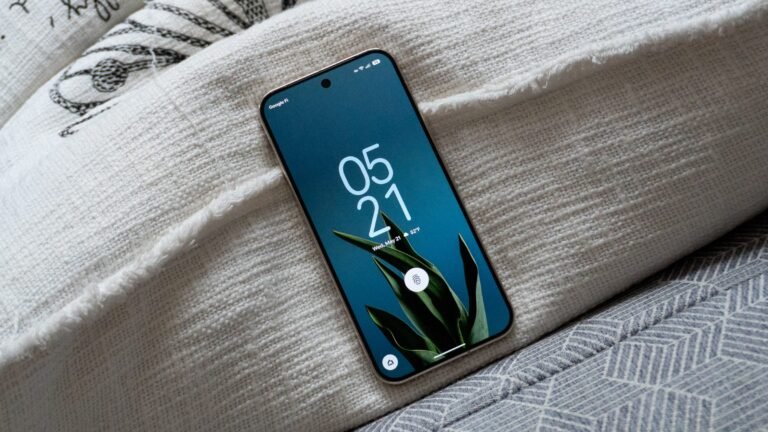
Android 16 Gets a Makeover: New Expressive Design Now Available in Beta for Pixel Phones

Android 16 Gets a Makeover: Material Expressive UI Design

Google has started rolling out a new beta update for Android 16, bringing the fresh Material Expressive UI design to select Pixel devices. The update is part of the Android 16 QPR1 (Quarterly Platform Release) beta, which was announced during the recent Android Show event. If you are part of the Android 16 beta program, you may now see the new design on your eligible device.

Subscribe to IBN24 NEWS NETWORK’s Facebook channel today for real-time updates!

Channel Link:
 https://www.facebook.com/ibn24newsnetwork

What is Material Expressive Design?

Material Expressive is the next evolution of Google’s Material You design language. It adds smoother animations, vibrant color tones, and an overall more dynamic and personalized feel to Android’s user interface. With Android 16, Google aims to make the UI more intuitive and visually fluid, enhancing the overall user experience.

Users will notice rounded icons, refreshed font styles, and a new look for the Settings menu. The interface feels more modern and flexible, and Google has also focused on improving accessibility with clearer visual cues.

How to Install Android 16 QPR1 Beta Update

If you’re part of the beta program and have an eligible Pixel phone, here’s how you can install the new update:

  1. Open Settings
  2. Scroll down and tap on System
  3. Tap on Software updates
  4. If the update is available, you will see Android 16 QPR1 Beta listed
  5. Tap on Download and Install
  6. Once installed, reboot your phone

After restarting, your phone will be running the latest beta version of Android 16 with the new Material Expressive design.

List of Supported Pixel Phones

This beta update is only available for select Pixel devices. Here’s the full list:

  • Pixel 6
  • Pixel 6 Pro
  • Pixel 6a
  • Pixel 7
  • Pixel 7 Pro
  • Pixel 7a
  • Pixel 8
  • Pixel 8 Pro
  • Pixel 8a
  • Pixel Fold
  • Pixel 9
  • Pixel 9 Pro
  • Pixel 9 Pro XL
  • Pixel 9 Pro Fold
  • Pixel 9a

If you own one of these devices and are enrolled in the beta program, you should be able to access the update.

What’s New in Android 16 Beta with Material Expressive?

Google has introduced a number of changes with this version. Here’s what you can expect:

1. Smoother Animations

The overall feel of the UI is more fluid. From opening apps to switching screens and accessing menus, the animations are now more responsive and seamless.

2. Live Activities (Real-Time Updates)

Just like iOS Live Activities, Android 16 brings real-time updates for services like food delivery and , directly on your lock screen. You won’t need to unlock your phone or open an app to check your order status.

3. Refreshed Icons and Fonts

The visual elements across the system now feature more curved icons, modern fonts, and a cleaner layout, giving your phone a refreshed and premium feel.

4. Improved Settings Menu

The Settings app has received a visual overhaul with new color tones for each section. It not only looks better but is also easier to navigate.

5. New Wallpaper and Personalization Options

Android 16 allows users to customize the home and lock screens more easily. A redesigned wallpaper picker and style menu help users change fonts, colors, icons, and layout in just a few taps.

6. Notification UI Changes

There’s also an option to modify how notifications appear on your lock screen. This allows users to choose between compact views, expanded details, or even hide sensitive content.

Our Experience on Pixel 9 Pro

We tried the Android 16 beta on the Pixel 9 Pro, and the results are promising. The UI feels snappier, and the new design elements make daily use more engaging. The real-time updates on the lock screen are especially useful for those who frequently use ride-hailing or food delivery apps.x

When Will the Public Android 16 Update Be Released?

According to Google, Android 16 is expected to roll out publicly by June 2025. The current beta versions will help identify bugs and improve performance before the final release. If everything stays on track, Android 16 will likely debut on the new Pixel devices launching later this year.

Final Thoughts

The Android 16 Material Expressive design is a bold new step that makes Android feel more lively and personal. While it’s still in beta, users who are part of the program can already start exploring what’s new. The interface updates, new features like real-time updates, and better customization tools make Android 16 a promising upgrade for Pixel users.

Stay tuned for more updates as Google moves closer to the official launch in the coming weeks.

For instant news updates, subscribe to the IBN24 NEWS NETWORK YouTube channel

Channel linkhttps://youtube.com/@IBN24NewsNetwork?si=ofbILODmUt20-zC3

Read Also This article : Nothing Phone 3 Launch Confirmed: Flagship Ambitions Take Center Stage


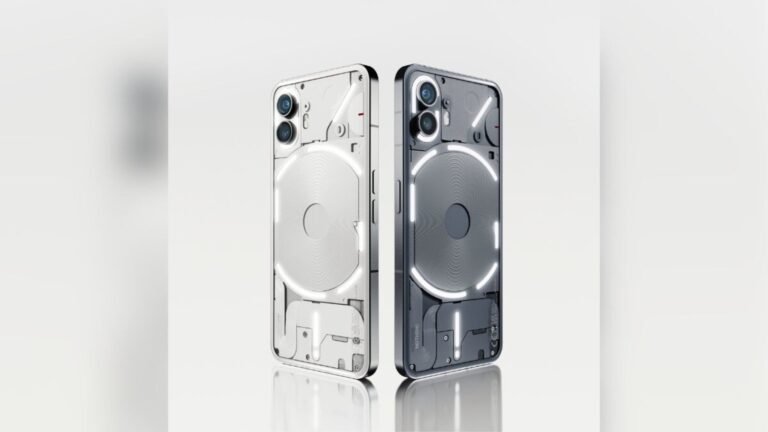
Nothing Phone 3 Launch Confirmed: Flagship Ambitions Take Center Stage

Nothing Phone 3 Launch Confirmed: Nothing Phone 3

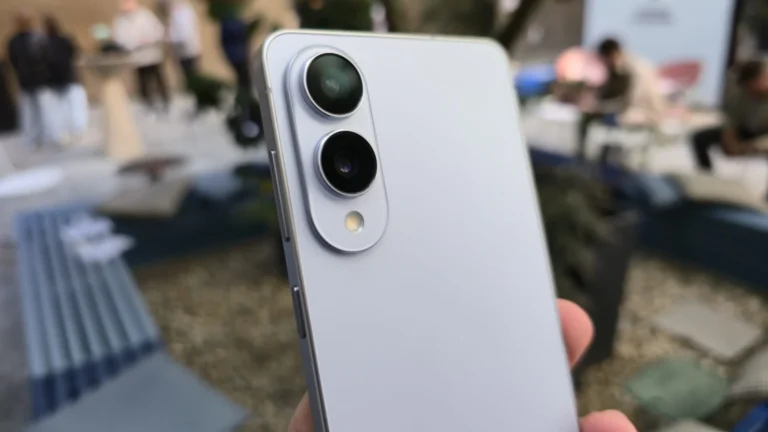
The wait is almost over. After months of speculation, Nothing has officially confirmed that the highly anticipated Nothing Phone 3 will launch in July 2025. The announcement comes as part of a new teaser campaign that hints at big changes for the company’s upcoming flagship smartphone — both in terms of design and performance.

Carl Pei, the CEO and co-founder of Nothing, had previously hinted that the Phone 3 would arrive in Q3 2025, placing its release between July and September. Now that July has been locked in as the official launch month, excitement is beginning to build, especially among fans who have been eagerly waiting for Nothing’s next big leap.

Subscribe to IBN24 NEWS NETWORK’s Facebook channel today for real-time updates!

Channel Link:
 https://www.facebook.com/ibn24newsnetwork


Nothing Phone 3 Teaser Hints at “Magic Number”

The official teaser from the brand confirms that the new device will be called the Nothing Phone 3, and cryptically refers to the number “3” as a magic number. While the company has not revealed too many details, the teaser is enough to generate curiosity around what makes the third iteration so special.

Nothing’s marketing strategy has always leaned into minimalism and mystery, and the teaser for Phone 3 continues that tradition — while still managing to drop a few significant hints.


A True Flagship Contender?

Carl Pei has promised that the Nothing Phone 3 will come with major upgrades across the board, including:

  • Premium materials
  • Top-tier performance
  • Next-level software experience

These statements suggest that the brand is gearing up to compete with established flagship phones — not just in design but also in performance and user experience.

Speculation is already swirling about which chipset will power the Phone 3. Early reports hint that Nothing could go with either the Qualcomm Snapdragon 8 Gen 3 (Elite) or the MediaTek Dimensity 9300/9400 series — both of which offer flagship-level performance and AI capabilities.


A Delayed Launch for a Reason?

Interestingly, the Phone 3 was originally rumored to launch in late 2024, but the company appears to have intentionally delayed it. According to industry insiders, the delay may have allowed Nothing to integrate advanced AI features into the device, aligning with the broader trend of smartphone brands turning to AI for smarter performance, photography, and user interface enhancements.

Carl Pei himself has alluded to “software that really levels things up,” which could mean custom AI tools, deeper integration with the Android ecosystem, or features similar to what we’re seeing with Google Gemini AI or Samsung’s Galaxy AI suite.


Price: A Premium Step Forward

For the first time, Nothing seems to be stepping confidently into the premium smartphone category. Carl Pei has reportedly mentioned that the Nothing Phone 3 will be priced around GBP 800, which roughly converts to ₹90,000 in India.

This price bracket places it directly in competition with flagship phones like the:

  • OnePlus 13
  • Xiaomi 15
  • Vivo X200 series
  • Samsung Galaxy S25
  • iPhone 16 (base model)

While this is a significant jump from the Phone 1 and Phone 2, it signals a shift in the brand’s strategy — aiming to go head-to-head with flagship giants rather than just being the “cool alternative.”


Nothing Over-Ear Headphones Also on the Way

In addition to the Phone 3, Nothing is also gearing up to launch its first pair of over-ear headphones. While few details are available at this stage, the company has teased “top-tier sound quality” at a more accessible price point than Apple’s AirPods Max, which are known for their high audio fidelity but come with a steep price tag.

This move could help Nothing broaden its presence in the consumer electronics space and offer a compelling alternative for users looking for high-quality audio without paying a premium.


Final Thoughts

The Nothing Phone 3 is shaping up to be the company’s most ambitious product yet. With a confirmed launch timeline, upgraded specs, premium design language, and a shift toward AI-focused software, the phone is poised to mark a new chapter for the brand.

Nothing has already carved a niche for itself with its minimalist design and bold marketing. Now, with the Phone 3, it looks ready to take on industry leaders not just in terms of style — but substance too.

As we move closer to the July launch, more teasers and official specifications are expected to be released. Stay tuned — because this could be the moment Nothing goes from being different, to being a true disruptor in the flagship smartphone market.

For instant news updates, subscribe to the IBN24 NEWS NETWORK YouTube channel

Channel linkhttps://youtube.com/@IBN24NewsNetwork?si=ofbILODmUt20-zC3

Read Also This article : Snapdragon 7 Gen 4 Chipset: Brings Wi-Fi Audio to Mid-Range Android Phones


Snapdragon 7 Gen 4 Chipset: Brings Wi-Fi Audio to Mid-Range Android Phones

Snapdragon 7 Gen 4 Chipset: Wi-Fi Audio

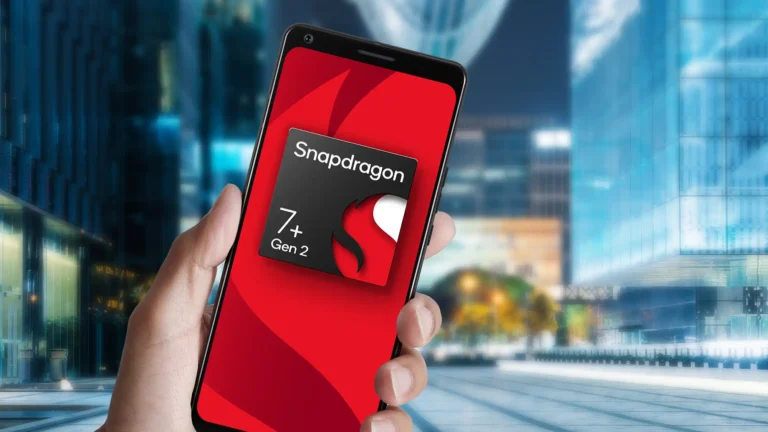
Qualcomm has officially announced its latest mid-range mobile processor — the Snapdragon 7 Gen 4 chipset — and with it, a game-changing feature for Android smartphones: support for Wi-Fi audio. This new addition is expected to significantly improve the wireless audio experience and make previously premium features accessible to a wider audience.

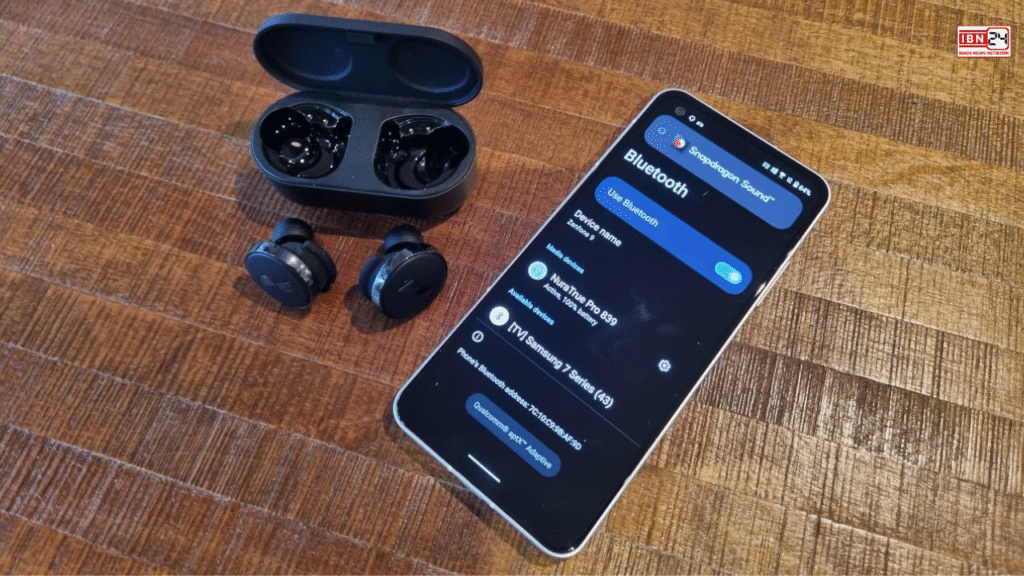
Until now, wireless audio has largely depended on Bluetooth connectivity, especially for products like TWS (True Wireless Stereo) earbuds and over-ear headphones. But with Qualcomm’s new chipset, support for audio transmission over Wi-Fi is making its way to more affordable devices — a shift that could redefine how users experience audio on Android phones.

Subscribe to IBN24 NEWS NETWORK’s Facebook channel today for real-time updates!

Channel Link:
 https://www.facebook.com/ibn24newsnetwork


What is Wi-Fi Audio and Why Does It Matter?

Audio over Wi-Fi refers to transmitting sound data using a Wi-Fi network instead of traditional Bluetooth channels. While this concept isn’t entirely new, it has mostly been limited to high-end smartphones and premium audio gear until now. Wi-Fi audio offers several advantages over Bluetooth, including:

  • Improved audio quality
  • Lower latency
  • Longer range
  • Potential support for lossless audio streaming

With the Snapdragon 7 Gen 4 chipset, Qualcomm is now extending these benefits to mid-range smartphones, making advanced audio features more mainstream.


Wi-Fi vs Bluetooth Audio: What’s the Difference?

Bluetooth has long been the default for wireless audio because of its convenience and compatibility across devices. However, it comes with limitations in terms of bandwidth, latency, and audio compression, which can affect both sound quality and responsiveness — particularly for audiophiles and gamers.

Wi-Fi audio, on the other hand, offers greater bandwidth, enabling devices to transmit higher-quality audio signals, including lossless formats. It also supports a larger range compared to Bluetooth, which means users can move around more freely without losing connection.

Qualcomm claims that using Wi-Fi for audio is also more power-efficient, helping to extend the battery life of both smartphones and audio accessories. While Bluetooth Low Energy (LE) has helped reduce power consumption in recent years, Wi-Fi is proving to be a strong contender, especially in stable indoor environments.


Mid-range Smartphones

Previously, Qualcomm had indicated that Wi-Fi audio would only be supported on smartphones equipped with the flagship Snapdragon 8 Gen series chips. That made sense at the time, as the technology was seen as a premium feature for top-tier phones.

But the latest announcement changes that narrative. With the Snapdragon 7 Gen 4 chipset now offering native support for Wi-Fi audio, we’re likely to see mid-range smartphones from brands like Xiaomi, Realme, iQOO, and Motorola integrating this feature in their upcoming devices.

This also opens the door for budget wireless earbuds and headphones to adopt the technology. Since many mid-range users pair their phones with affordable audio gear, the inclusion of Wi-Fi audio support will likely push accessory makers to follow suit and design compatible products — further expanding the ecosystem.


Real-World Benefits for Users

So what does this mean for the average consumer?

  • Better Sound: Expect more consistent and higher-quality audio, especially when streaming music or watching videos.
  • More Freedom: With extended range, users can move farther from their phone without dropping audio — perfect for home or office use.
  • Longer Battery Life: Both phones and headphones may see better standby and usage time when using Wi-Fi audio, thanks to more efficient power handling.
  • Lossless Streaming: Audiophiles can enjoy near-CD quality sound without needing a wired connection.

All these improvements contribute to a more seamless and immersive wireless audio experience, even on phones that don’t break the bank.


What’s Next?

The Snapdragon 7 Gen 4-powered phones are expected to start launching in the next few months, and many tech insiders believe this chipset will appear in smartphones priced between ₹25,000 and ₹40,000 in India. As a result, more consumers will be able to experience Wi-Fi audio without needing to upgrade to a premium flagship device.

Similarly, TWS earbud brands will likely begin rolling out Wi-Fi audio compatible products soon, offering users a better listening experience at lower prices.


Final Thoughts

Qualcomm’s decision to bring Wi-Fi audio support to its mid-range Snapdragon 7 Gen 4 chipset marks a major step forward in the evolution of smartphone audio. Not only does it challenge the dominance of Bluetooth, but it also ensures that more users, regardless of budget, can enjoy high-quality wireless sound.

As phones and audio devices begin to adopt this technology more widely, it’s clear that Wi-Fi audio is not just a niche feature anymore — it’s the future of wireless sound on Android.

For instant news updates, subscribe to the IBN24 NEWS NETWORK YouTube channel

Channel linkhttps://youtube.com/@IBN24NewsNetwork?si=ofbILODmUt20-zC3

Read Also This article : Samsung Galaxy S25 Edge: No Inspiration Taken from Apple’s iPhone 17 Air, Company Clarifies


Samsung Galaxy S25 Edge: No Inspiration Taken from Apple’s iPhone 17 Air, Company Clarifies

Samsung Galaxy S25 Edge: Samsung’s Latest Design

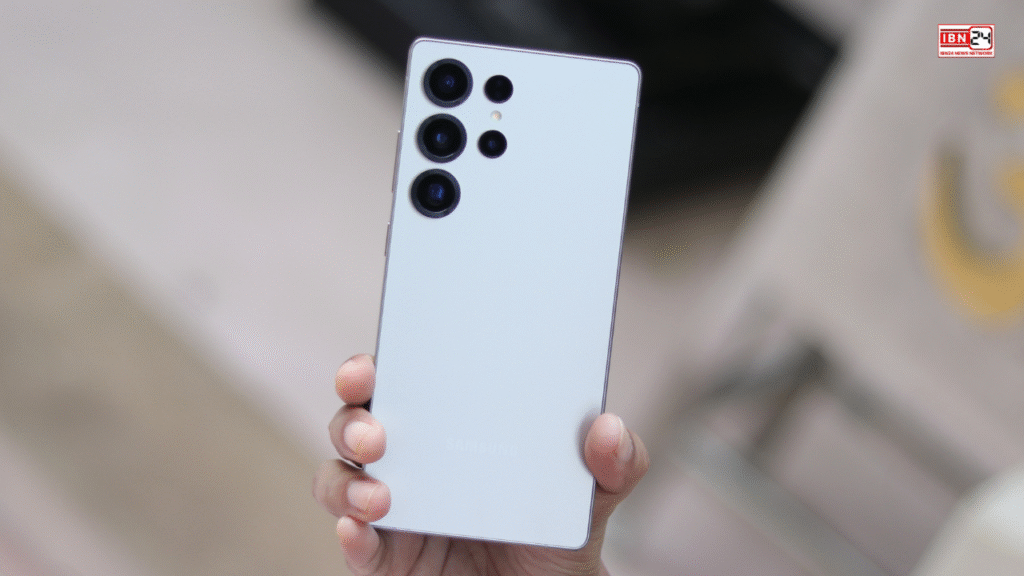
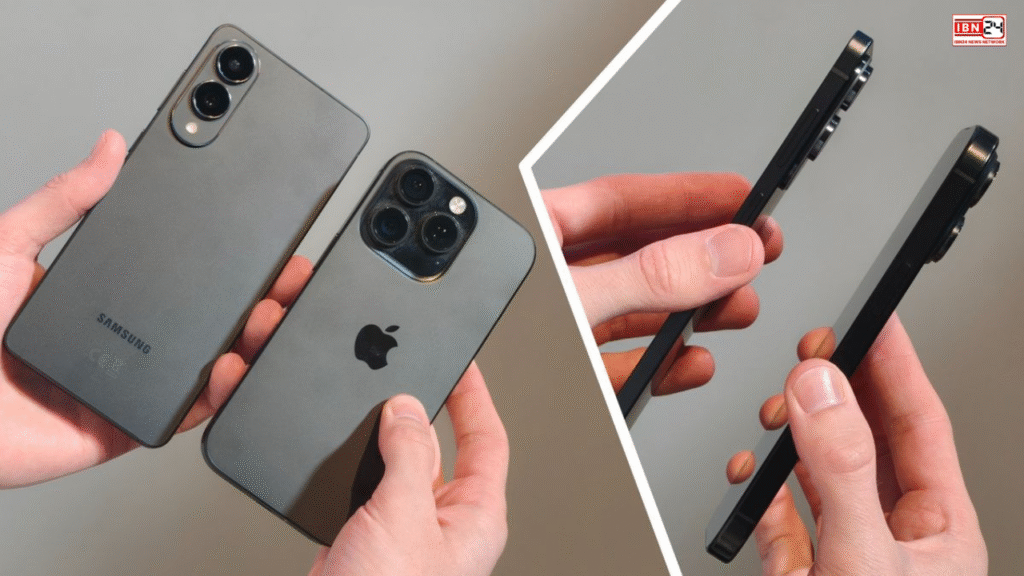
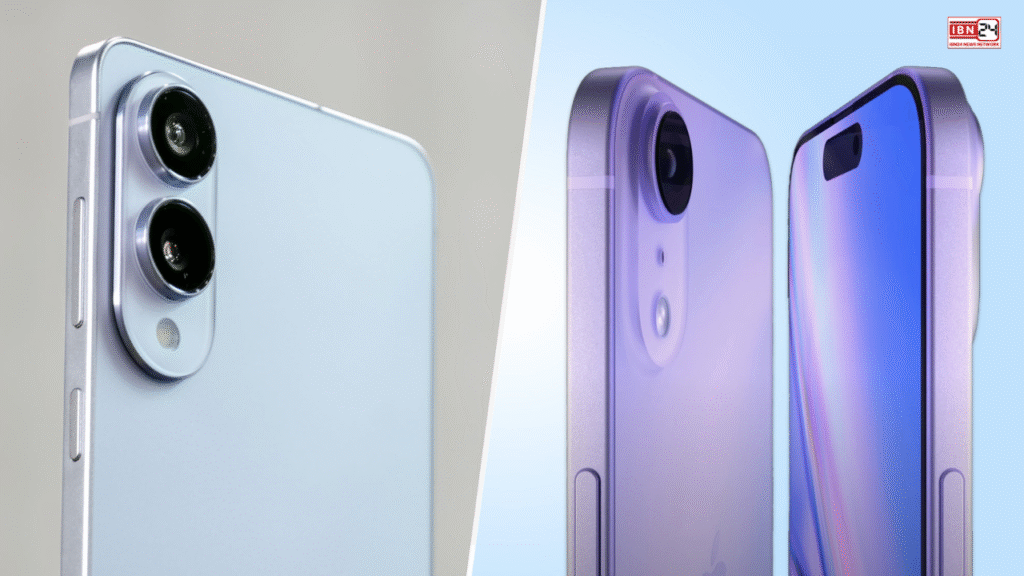
Samsung recently launched its thinnest smartphone ever — the Galaxy S25 Edge — which boasts a sleek design and lightweight build, raising eyebrows in the tech community. Following the launch, rumours quickly spread claiming that Samsung’s latest design was inspired by Apple’s upcoming iPhone 17 Air, a model expected to be even thinner than Samsung’s new release. But is there truth to this claim?

According to Samsung, the answer is a clear no.

Subscribe to IBN24 NEWS NETWORK’s Facebook channel today for real-time updates!

Channel Link:
 https://www.facebook.com/ibn24newsnetwork

Origins of the Galaxy S25 Edge

Kadesh Beckford, a product specialist at Samsung, addressed these rumours in an interview with Forbes, revealing that the Galaxy S25 Edge’s design process began well before Apple’s iPhone 17 Air was ever known. Beckford stated he was already familiar with the S25 Edge design concept around the time Samsung launched the Galaxy Z Flip 5.

While the exact timeline for the design’s initial concept phase remains undisclosed, Beckford emphasized that the phone underwent several rounds of rigorous internal research and development long before Apple announced any plans for the iPhone 17 Air.

Not Inspired by Apple

“It’s not linked to the iPhone 17 Air,” Beckford clarified. “To create this phone, we had to rethink every single component to fit inside a thinner casing, which is no easy task.”

Samsung’s engineers faced a significant challenge to design the slimmest Galaxy S phone ever made. The company had to remove and re-engineer numerous internal components to reduce the thickness without compromising performance or features. The result is a device that merges ultra-thin design with premium technology — a rare feat in today’s competitive smartphone market.

Why Go Ultra-Thin?

The decision to develop such a thin device was guided by extensive market research. Beckford explained that Samsung identified a segment of users who desire the high-end features of the Galaxy S25 Ultra but prefer a lighter, more manageable device. This insight led to the birth of the Galaxy S25 Edge.

Despite its slim profile, the Galaxy S25 Edge doesn’t compromise on power or functionality. It includes top-tier specifications such as a 200MP camera, the powerful Snapdragon 8 Gen 2 Elite chipset, and a robust titanium frame for durability. This combination offers the best of both worlds — premium performance and a lightweight design.

AI and Software Enhancements

Samsung also made sure the Galaxy S25 Edge keeps pace with modern software advancements. The device comes with advanced AI agents that operate seamlessly across various apps, enhancing user experience by offering smart, context-aware assistance. Furthermore, Samsung partnered with Google to integrate Gemini’s latest AI capabilities, making the S25 Edge a truly AI-compatible smartphone.

Pricing and Availability

In India, the Galaxy S25 Edge is priced starting at Rs 1,09,999 for the base variant. If you want more storage, the 512GB model is available at Rs 1,21,999. Samsung’s pricing strategy reflects the device’s premium build and feature set, aiming to attract users looking for a flagship experience in a slim form factor.

Final Thoughts

The Samsung Galaxy S25 Edge represents the company’s commitment to innovation and user-centric design. By prioritizing a lightweight and ultra-thin build without sacrificing power or premium features, Samsung has carved out a unique space in the competitive smartphone market.

Contrary to popular rumours, the Galaxy S25 Edge was developed independently, not as a response to Apple’s rumored iPhone 17 Air. Instead, it is a result of years of planning and engineApple’s rumored iPhone 17 Airng, driven by Samsung’s desire to meet specific consumer needs.

As the smartphone industry continues to evolve, Samsung’s approach to combining cutting-edge technology with sleek design might set new trends for other manufacturers to follow.

For instant news updates, subscribe to the IBN24 NEWS NETWORK YouTube channel

Channel linkhttps://youtube.com/@IBN24NewsNetwork?si=ofbILODmUt20-zC3

Read Also This article : OnePlus Pad 2 Pro Launched: With Snapdragon 8 Elite, 3.4K Display, Price & Specs Inside

CISF Head Constable GD Apply Now: सीआईएसएफ में हेड कॉन्स्टेबल बनने का मौका

CISF Head Constable GD Apply Now: सरकारी नौकरी

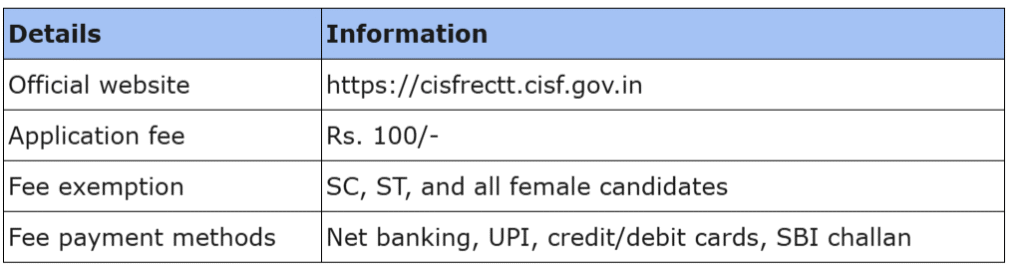
केंद्रीय औद्योगिक सुरक्षा बल (CISF) ने स्पोर्ट्स कोटा के तहत हेड कॉन्स्टेबल (जनरल ड्यूटी) पदों के लिए भर्ती प्रक्रिया शुरू कर दी है। इस भर्ती अभियान के तहत कुल 403 पदों पर नियुक्ति की जाएगी। योग्य पुरुष और महिला खिलाड़ी आधिकारिक वेबसाइट https://cisfrectt.cisf.gov.in के माध्यम से आवेदन कर सकते हैं।

इस भर्ती के लिए आवेदन की प्रक्रिया 18 मई 2025 से शुरू होकर 6 जून 2025 तक चलेगी (रात 11:59 बजे तक)। इस अभियान का उद्देश्य प्रतिभाशाली खिलाड़ियों को सीआईएसएफ में शामिल करना है, जिससे उन्हें केंद्र सरकार के नियमों के तहत वेतन स्तर-4 (₹25,500–₹81,100) के साथ अन्य भत्तों सहित सरकारी नौकरी का अवसर मिल सके।

इस वेबसाइट पर जाने के लिए दिए गए लिंक पर क्लिक करे: https://cisfrectt.cisf.gov.in

CISF Head Constable GD Apply Now: राज्य का प्रतिनिधित्व

यह भर्ती विशेष रूप से उन उम्मीदवारों के लिए है जिन्होंने खेलों में उत्कृष्ट प्रदर्शन किया है। उम्मीदवारों ने सीनियर या जूनियर स्तर पर मान्यता प्राप्त टूर्नामेंटों में देश या राज्य का प्रतिनिधित्व किया होना चाहिए। भर्ती प्रक्रिया दो चरणों में आयोजित की जाएगी, जिसमें ट्रायल टेस्ट, दक्षता परीक्षा, शारीरिक मापदंड परीक्षण (PST), दस्तावेज़ सत्यापन और मेडिकल परीक्षण शामिल हैं।

अंतिम चयन दक्षता परीक्षा में प्राप्त अंकों और खेल उपलब्धियों के आधार पर दिए गए अतिरिक्त मेरिट अंकों के आधार पर किया जाएगा। केवल वही उम्मीदवार जो सभी चरणों में सफल होंगे, उन्हें अंतिम चयन के लिए योग्य माना जाएगा।

Subscribe to IBN24 NEWS NETWORK’s Facebook channel today for real-time updates!

Channel Link:
 https://www.facebook.com/ibn24newsnetwork

CISF Head Constable GD Apply Now: शैक्षणिक योग्यता

उम्मीदवार ने किसी मान्यता प्राप्त बोर्ड से 12वीं कक्षा उत्तीर्ण की हो। यदि यह योग्यता किसी राज्य या केंद्रीय बोर्ड से नहीं है, तो उसके समकक्ष होने का भारत सरकार द्वारा जारी प्रमाण (नोटिफिकेशन) आवश्यक होगा। पात्रता प्राप्त करने के लिए उम्मीदवारों को निम्नलिखित शर्तें पूरी करनी होंगी:

  • उम्मीदवार ने किसी मान्यता प्राप्त बोर्ड से कक्षा 12वीं उत्तीर्ण की हो।
  • यदि शैक्षणिक योग्यता किसी राज्य या केंद्रीय बोर्ड से नहीं है, तो उसके साथ भारत सरकार द्वारा जारी समकक्षता का प्रमाणपत्र (नोटिफिकेशन) होना अनिवार्य है।

CISF Head Constable GD Apply Now: आयु सीमा

उम्मीदवार की आयु 1 अगस्त 2025 को 18 वर्ष से 23 वर्ष के बीच होनी चाहिए।
उम्मीदवार की जन्मतिथि 2 अगस्त 2002 से 1 अगस्त 2007 के बीच होनी चाहिए।

CISF Head Constable GD Apply Now: खिलाड़ी पात्रता

उम्मीदवार ने सीनियर या जूनियर स्तर पर किसी मान्यता प्राप्त टूर्नामेंट में देश या राज्य का प्रतिनिधित्व किया हो।
यह भर्ती केवल उन्हीं खिलाड़ियों के लिए है जिन्होंने खेलों में उत्कृष्ट प्रदर्शन किया है और राष्ट्रीय या राज्य स्तर की प्रतियोगिताओं में भाग लिया है।

CISF Head Constable GD Apply Now: पुरुष और महिला उम्मीदवारों के लिए शारीरिक मानक

पुरुष उम्मीदवारों के लिए:

  • ऊंचाई (Height): 167 सेमी
  • छाती (Chest): 81-86 सेमी (फुलाने पर कम से कम 5 सेमी का विस्तार आवश्यक)

महिला उम्मीदवारों के लिए:

  • ऊंचाई (Height): 153 सेमी
  • छाती (Chest): लागू नहीं है

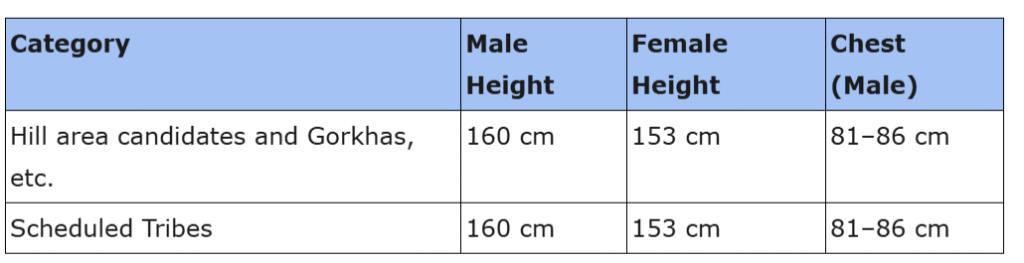
जो उम्मीदवार पहाड़ी क्षेत्रों या अनुसूचित जनजातियों (ST) से संबंधित हैं, उन्हें सरकारी नियमों के अनुसार ऊंचाई, छाती और आयु सीमा में नियमानुसार छूट प्रदान की जाएगी।

CISF Head Constable GD Apply Now: आवेदन प्रक्रिया और शुल्क विवरण

आवेदन केवल ऑनलाइन माध्यम से ही स्वीकार किए जाएंगे। ऑफलाइन या डाक द्वारा भेजे गए आवेदन स्वीकार्य नहीं होंगे।

  • उम्मीदवारों को आवेदन केवल ऑनलाइन मोड के माध्यम से ही करना होगा।
  • आवेदन करने के लिए आधिकारिक वेबसाइट https://cisfrectt.cisf.gov.in पर जाना होगा।
  • आवेदन फॉर्म भरने के बाद आवश्यक दस्तावेज़ अपलोड करें और आवेदन शुल्क का भुगतान ऑनलाइन करें।
  • आवेदन शुल्क और अन्य विवरण भर्ती अधिसूचना में निर्दिष्ट होंगे।
  • आवेदन शुल्क जमा करने के बाद, भुगतान की रसीद सुरक्षित रखें।
  • कोई ऑफलाइन या डाक द्वारा आवेदन स्वीकार नहीं किया जाएगा।

For instant news updates, subscribe to the IBN24 NEWS NETWORK YouTube channel

Channel linkhttps://youtube.com/@IBN24NewsNetwork?si=ofbILODmUt20-zC3

Read Also This article : Railway Assistant Loco Pilot Jobs: रेलवे में असिस्टेंट लोको पायलट पदों पर भर्ती, अभी करें आवेदन