
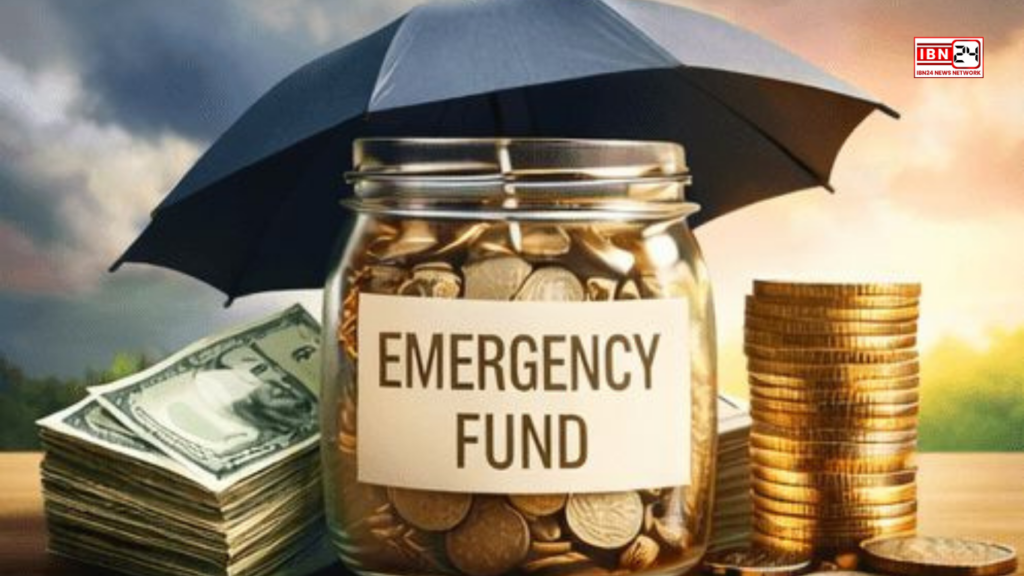
Emergency Fund : Life is full of surprises. While some unexpected events bring happiness, others can create financial stress. Losing a job, facing a medical emergency, repairing a vehicle, or dealing with sudden home expenses can affect anyone. This is why having an emergency fund is one of the smartest financial decisions you can make.
Written by Gurleen Kaur • Published on : 5 August 2026
IBN24 NEWS NETWORK : An emergency fund is money set aside specifically for unexpected situations. It helps you manage financial challenges without relying on loans or credit cards. Whether you are a student, a salaried employee, a freelancer, or a business owner, building an emergency fund should be a priority.
What Is an Emergency Fund ?

An emergency fund is a savings reserve that is used only for genuine emergencies. Unlike regular savings meant for shopping, vacations, or planned purchases, this money is kept aside for situations that cannot be predicted.
For example, if you suddenly need medical treatment, lose your source of income, or have to pay for urgent home repairs, your emergency fund can cover these expenses without disturbing your daily budget.
Having this financial cushion also reduces stress because you know you have money available when life takes an unexpected turn.
How Much Should You Save ?
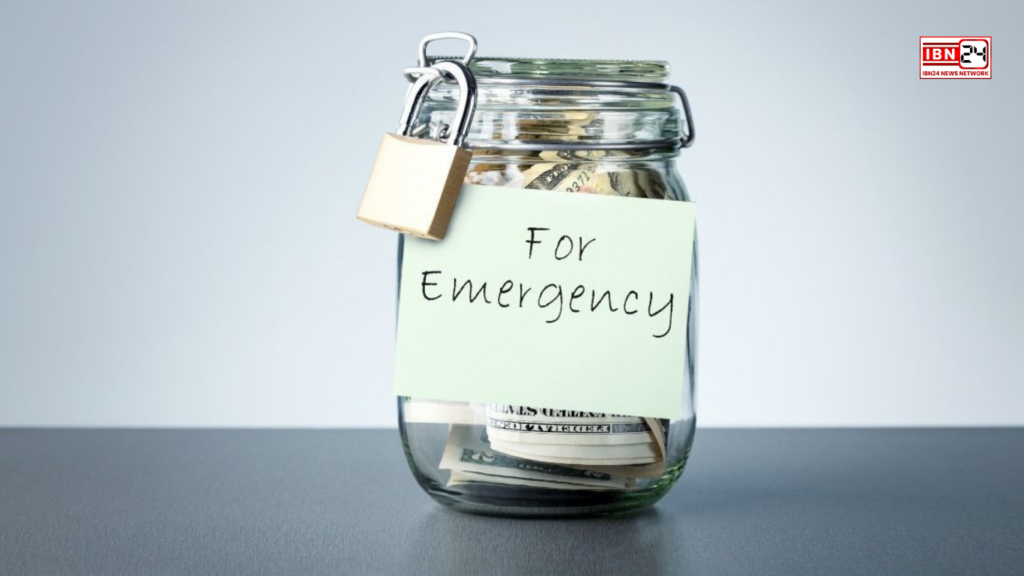
One of the most common questions is how much money should be kept in an emergency fund. The answer depends on your income, lifestyle, and financial responsibilities.
A good rule is to save enough money to cover three to six months of your essential living expenses. These expenses include rent or home loan payments, groceries, utility bills, transportation, insurance, and other necessary monthly costs.
For example, if your monthly essential expenses are Rs.2,000, your emergency fund should ideally be between Rs.6,000 and Rs.12,000.
However, your savings goal can vary depending on your situation.
If you have a stable full-time job with a regular income, saving three to six months of expenses is usually enough.
If you are self-employed, work as a freelancer, or earn irregular income, it is often safer to save six to twelve months of expenses because your income may fluctuate.
Why Is an Emergency Fund Important ?

An emergency fund protects you from financial setbacks. Without one, many people depend on personal loans or credit cards during difficult times. This can lead to debt, interest payments, and additional financial pressure.
An emergency fund also allows you to make better financial decisions. Instead of worrying about immediate expenses, you can focus on solving the actual problem.
Most importantly, it provides peace of mind. Knowing you have money set aside for emergencies can help reduce anxiety during uncertain situations.
How to Start Building an Emergency Fund
Building an emergency fund may seem difficult, but starting small makes the process much easier.
Begin by setting a realistic savings goal. Instead of trying to save several months of expenses immediately, aim for your first milestone, such as Rs.500 or Rs.1,000.
Save a fixed amount from every paycheck, even if it is a small percentage of your income. Consistency matters more than the amount in the beginning.
You can also automate your savings by setting up an automatic transfer to a separate savings account every month. This removes the temptation to spend the money elsewhere.
Another helpful strategy is to save unexpected income such as tax refunds, work bonuses, freelance earnings, or cash gifts. These extra amounts can help your emergency fund grow faster.
Where Should You Keep Your Emergency Fund?
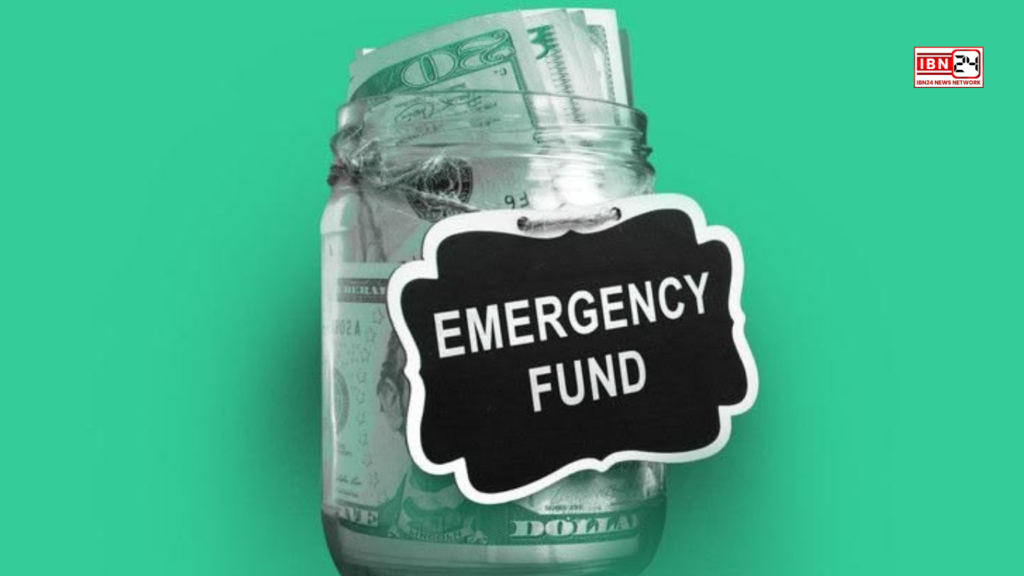
Your emergency fund should be easily accessible but separate from your everyday spending account.
A high-interest savings account is often a suitable choice because it keeps your money safe while allowing you to withdraw it quickly when needed.
Avoid investing your emergency fund in stocks or other high-risk investments. Market values can fall, and you may need the money at a time when your investment has lost value.
The main purpose of an emergency fund is safety and quick access, not high returns.
When Should You Use Your Emergency Fund?
Your emergency fund should only be used for genuine emergencies.
Examples include unexpected medical bills, job loss, urgent home repairs, essential car repairs, or sudden family emergencies.
It should not be used for shopping, vacations, festivals, gadgets, or other planned expenses. After using part of your emergency fund, make rebuilding it your next financial goal.
Please also read this article :
LinkedIn Marketing Tips for Professionals : अपना नेटवर्क बनाने और बढ़ाने के 5 बेहतरीन तरीके
Top 5 Free AI Tools : for Content Writing Every Creator Should Use
Instagram: https://www.instagram.com/ib